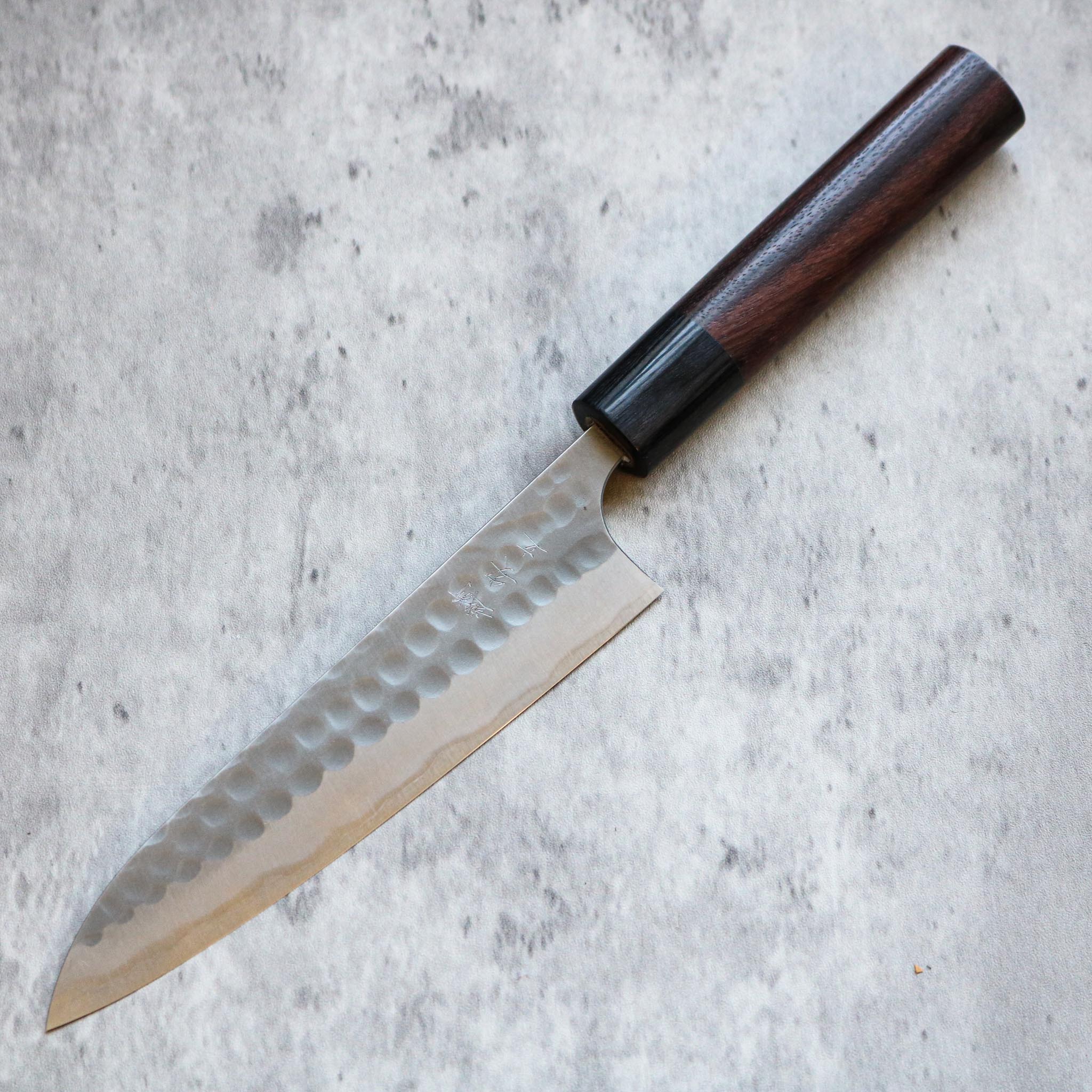
Anryu Hamono AO Tsuchime Bunka 170 mm
| Blade Length | 170 mm |
| Total Length | 320 mm |
| Steel | Aogami Super |
| Handle | Rosewood |
| Ferrule | Pakka |
| Rockwell | 63-64 |
| Height Spine to heel | 46 mm |
| Width at Spine | 2 mm |
| Weight | 150 grams |
| Bevel | Double (50/50) |
Anryu Hamono is a small workshop in Echizen, Japan that was started by Hansaburo Anryu in 1873. It has been passed down through generations, with Katsushige Anryu, the 4th generation knife maker, working as blacksmith for over 50 years. After apprenticing under his father, Katsushige-san became highly respected for his traditional knife forging techniques and was elected chairman of the Takefu Knife Village Co-op, an association for Echizen's top knife makers. Carrying on Anryu Hamono’s artisanal legacy, he has recently passed the workshop on to his 5th generation apprentice and nephew, Takumi Ikeda.
The Takefu Knife Village is a cooperative workshop in the Echizen region of Japan. It is the home to a long list of blacksmiths that we work with and many young and upcoming apprentices learning the trade. The area has a 700 year long history of smithing with roots in agricultural tools turned cutlery powerhouse.
The Bunka is a mid-sized, all-purpose knife that is compact, nimble, and handles many tasks. It's a touch shorter than the Gyuto and Kiritsuke, making it easier to wield and less intimidating to use. The "reverse tanto" or "K-tip" gives the user more travel for their guide finger toward the tip of the knife, which is super handy for tasks that require precise tip work, like brunoise shallot or garlic. It's great at slicing smaller proteins and flying through any mid-sized vegetable.
Knife Care (Stainless Clad)
- This knife is made from 3 layers of steel using a technique called Sanmai (Forge welding). It involves laminating a piece of Carbon steel with two pieces of Stainless steel giving the knife all the benefits of the carbon steel (Edge retention, ease of sharpening, cutting feel) and the Ease of Maintenance from Stainless steel. 2-3 millimeters of the carbon steel is exposed at the edge of the knife and is susceptible to rust and discouloration if not properly maintained.
- Simply Wipe the knife with a damp cloth immediately after use to keep it from rusting or discouloring.
- Wash with regular dish soap and warm water using a none abrasive sponge or cloth.
- Never put your knife in the Dishwasher. The extreme heat will ruin the wooden handle.
- Highly acidic ingredients (Onions, Tomatoes, Citrus) Will cause rust and oxidation to happen faster, thus the user must ensure the knife is wiped clean immediately after working with such an ingredient.
- Should any rust form it can be removed using a rust eraser or a mixture of Baking soda and water to simply scrub it clean.
- Avoid Bones, Frozen foods, nuts and hard candies or anything other than fruits, vegetables and proteins.
Product Information
Product Information
Shipping & Returns
Shipping & Returns
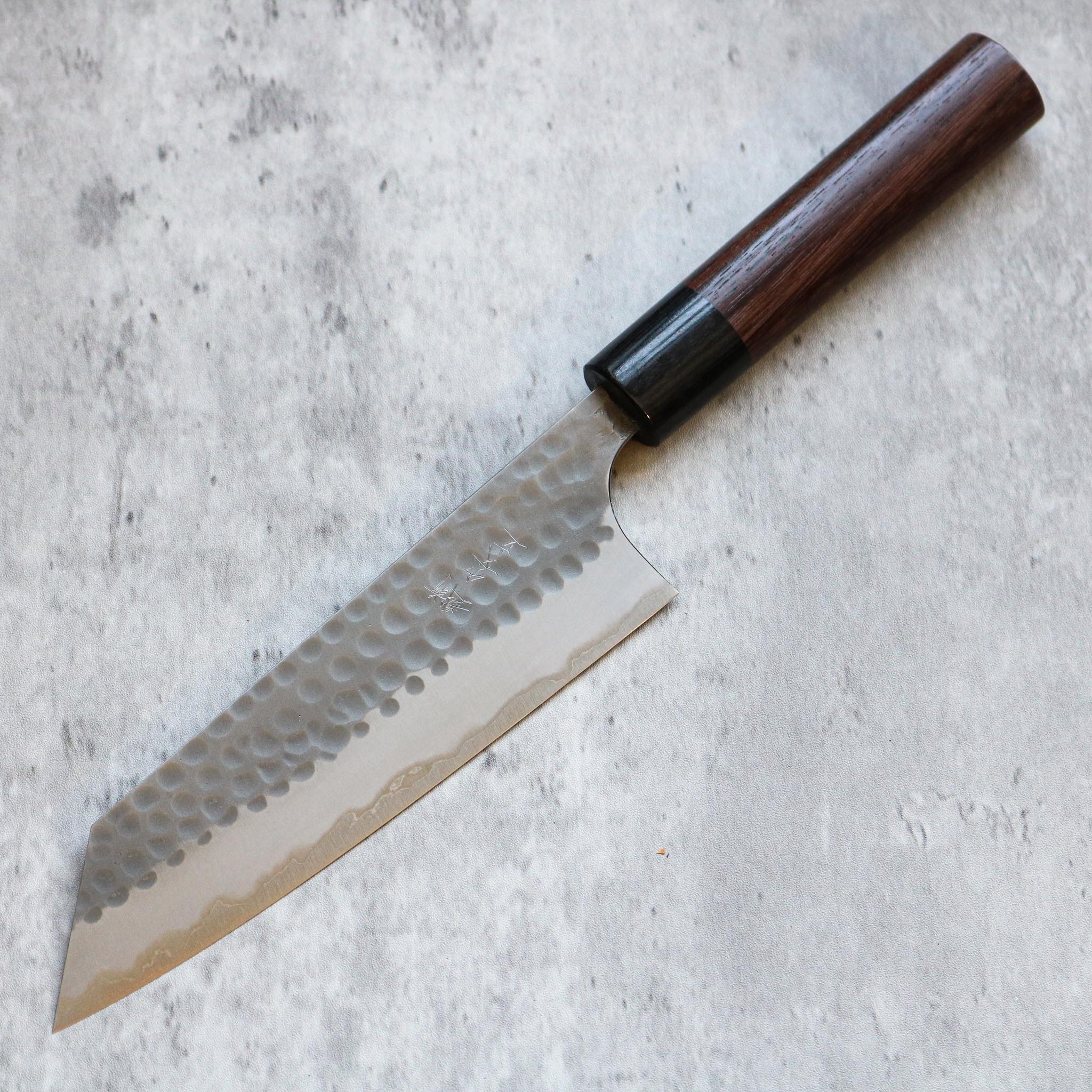
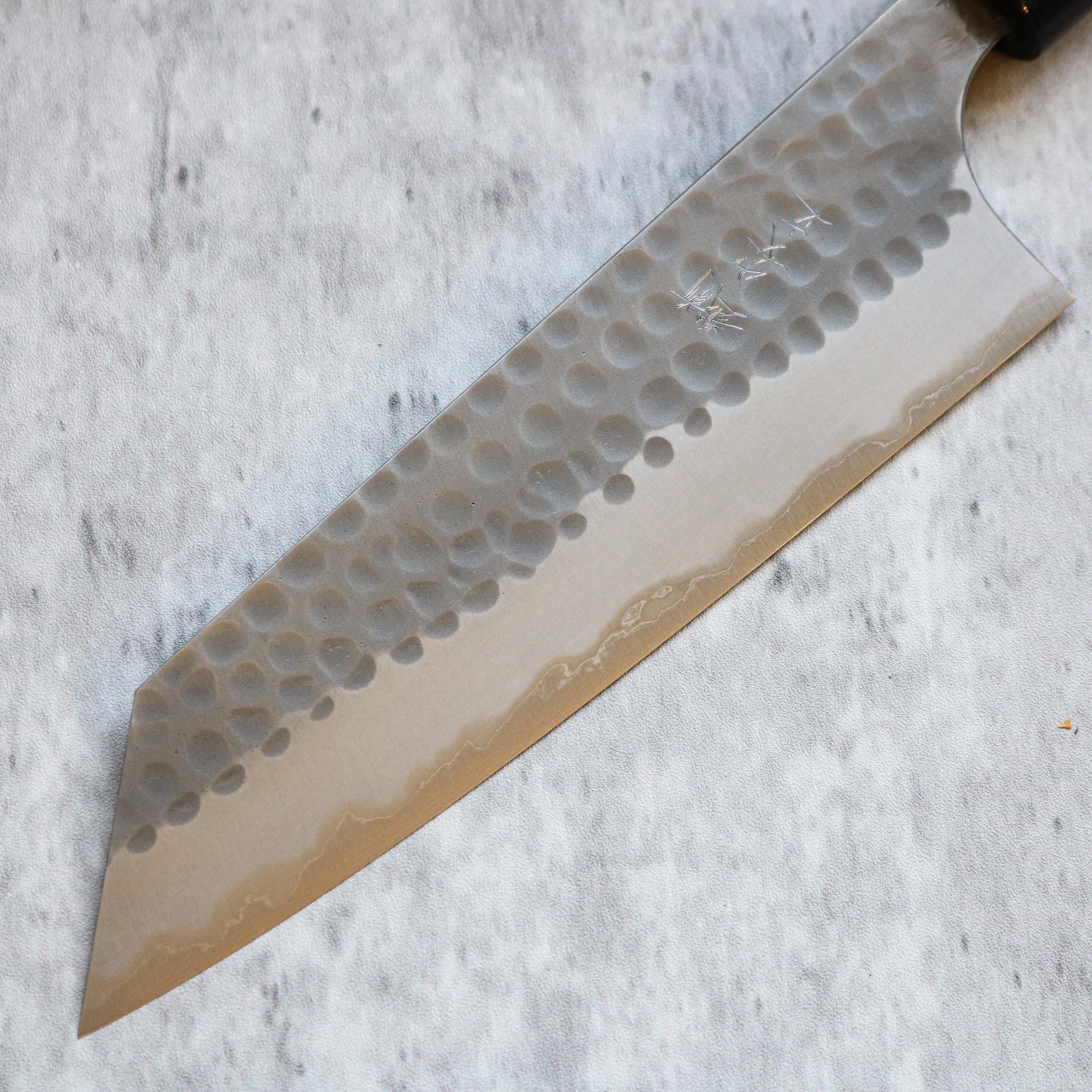



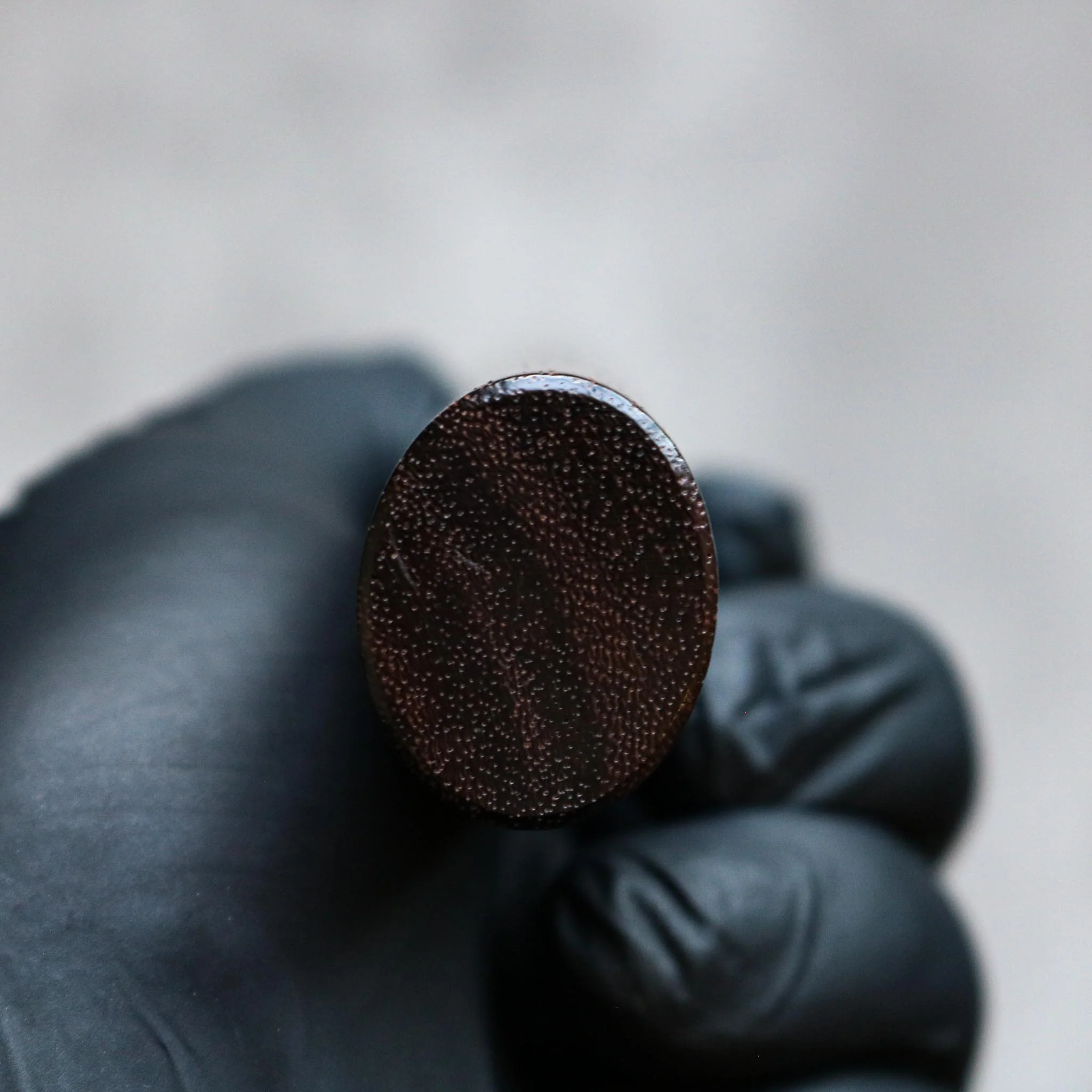

Anryu Hamono AO Tsuchime Bunka 170 mm
Anryu Hamono AO Tsuchime Bunka 170 mm
| Blade Length | 170 mm |
| Total Length | 320 mm |
| Steel | Aogami Super |
| Handle | Rosewood |
| Ferrule | Pakka |
| Rockwell | 63-64 |
| Height Spine to heel | 46 mm |
| Width at Spine | 2 mm |
| Weight | 150 grams |
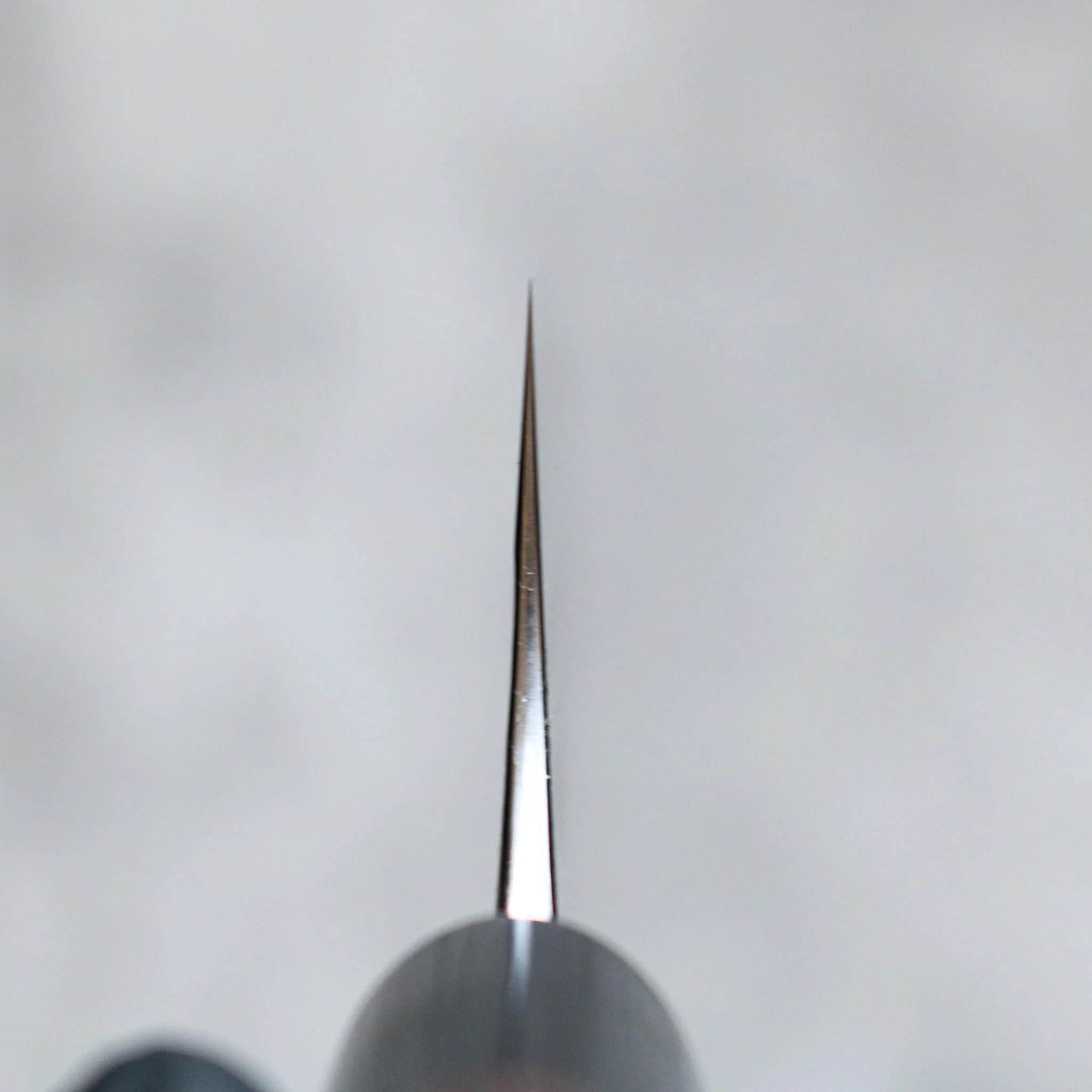
| Bevel | Double (50/50) |
Anryu Hamono is a small workshop in Echizen, Japan that was started by Hansaburo Anryu in 1873. It has been passed down through generations, with Katsushige Anryu, the 4th generation knife maker, working as blacksmith for over 50 years. After apprenticing under his father, Katsushige-san became highly respected for his traditional knife forging techniques and was elected chairman of the Takefu Knife Village Co-op, an association for Echizen's top knife makers. Carrying on Anryu Hamono’s artisanal legacy, he has recently passed the workshop on to his 5th generation apprentice and nephew, Takumi Ikeda.
The Takefu Knife Village is a cooperative workshop in the Echizen region of Japan. It is the home to a long list of blacksmiths that we work with and many young and upcoming apprentices learning the trade. The area has a 700 year long history of smithing with roots in agricultural tools turned cutlery powerhouse.
The Bunka is a mid-sized, all-purpose knife that is compact, nimble, and handles many tasks. It's a touch shorter than the Gyuto and Kiritsuke, making it easier to wield and less intimidating to use. The "reverse tanto" or "K-tip" gives the user more travel for their guide finger toward the tip of the knife, which is super handy for tasks that require precise tip work, like brunoise shallot or garlic. It's great at slicing smaller proteins and flying through any mid-sized vegetable.
Knife Care (Stainless Clad)
- This knife is made from 3 layers of steel using a technique called Sanmai (Forge welding). It involves laminating a piece of Carbon steel with two pieces of Stainless steel giving the knife all the benefits of the carbon steel (Edge retention, ease of sharpening, cutting feel) and the Ease of Maintenance from Stainless steel. 2-3 millimeters of the carbon steel is exposed at the edge of the knife and is susceptible to rust and discouloration if not properly maintained.
- Simply Wipe the knife with a damp cloth immediately after use to keep it from rusting or discouloring.
- Wash with regular dish soap and warm water using a none abrasive sponge or cloth.
- Never put your knife in the Dishwasher. The extreme heat will ruin the wooden handle.
- Highly acidic ingredients (Onions, Tomatoes, Citrus) Will cause rust and oxidation to happen faster, thus the user must ensure the knife is wiped clean immediately after working with such an ingredient.
- Should any rust form it can be removed using a rust eraser or a mixture of Baking soda and water to simply scrub it clean.
- Avoid Bones, Frozen foods, nuts and hard candies or anything other than fruits, vegetables and proteins.
Original: $200.26
-65%$200.26
$70.09Product Information
Product Information
Shipping & Returns
Shipping & Returns
Description
| Blade Length | 170 mm |
| Total Length | 320 mm |
| Steel | Aogami Super |
| Handle | Rosewood |
| Ferrule | Pakka |
| Rockwell | 63-64 |
| Height Spine to heel | 46 mm |
| Width at Spine | 2 mm |
| Weight | 150 grams |
| Bevel | Double (50/50) |
Anryu Hamono is a small workshop in Echizen, Japan that was started by Hansaburo Anryu in 1873. It has been passed down through generations, with Katsushige Anryu, the 4th generation knife maker, working as blacksmith for over 50 years. After apprenticing under his father, Katsushige-san became highly respected for his traditional knife forging techniques and was elected chairman of the Takefu Knife Village Co-op, an association for Echizen's top knife makers. Carrying on Anryu Hamono’s artisanal legacy, he has recently passed the workshop on to his 5th generation apprentice and nephew, Takumi Ikeda.
The Takefu Knife Village is a cooperative workshop in the Echizen region of Japan. It is the home to a long list of blacksmiths that we work with and many young and upcoming apprentices learning the trade. The area has a 700 year long history of smithing with roots in agricultural tools turned cutlery powerhouse.
The Bunka is a mid-sized, all-purpose knife that is compact, nimble, and handles many tasks. It's a touch shorter than the Gyuto and Kiritsuke, making it easier to wield and less intimidating to use. The "reverse tanto" or "K-tip" gives the user more travel for their guide finger toward the tip of the knife, which is super handy for tasks that require precise tip work, like brunoise shallot or garlic. It's great at slicing smaller proteins and flying through any mid-sized vegetable.
Knife Care (Stainless Clad)
- This knife is made from 3 layers of steel using a technique called Sanmai (Forge welding). It involves laminating a piece of Carbon steel with two pieces of Stainless steel giving the knife all the benefits of the carbon steel (Edge retention, ease of sharpening, cutting feel) and the Ease of Maintenance from Stainless steel. 2-3 millimeters of the carbon steel is exposed at the edge of the knife and is susceptible to rust and discouloration if not properly maintained.
- Simply Wipe the knife with a damp cloth immediately after use to keep it from rusting or discouloring.
- Wash with regular dish soap and warm water using a none abrasive sponge or cloth.
- Never put your knife in the Dishwasher. The extreme heat will ruin the wooden handle.
- Highly acidic ingredients (Onions, Tomatoes, Citrus) Will cause rust and oxidation to happen faster, thus the user must ensure the knife is wiped clean immediately after working with such an ingredient.
- Should any rust form it can be removed using a rust eraser or a mixture of Baking soda and water to simply scrub it clean.
- Avoid Bones, Frozen foods, nuts and hard candies or anything other than fruits, vegetables and proteins.